
CHAMBRE COMMUNE

Wojciech J. Has

Pologne - 1959 - 92 min

9,00 €

Pologne, années 30. La vie quotidienne des colocataires d’un grand appartement dans Varsovie. Un chômeur, un étudiant, un poète, un dandy, un révolutionnaire, des jeunes femmes, co-existent – avec des hauts et des bas – dans cette pension hétéroclite. Tous survivent, aiment, travaillent, s’enivrent et s’accrochent à des espoirs divers, dans une Bohème interlope le disputant à une Cour des Miracles du XXème siècle.

En rupture de stock

UGS : 8f53295a7387 Catégories : ,

Titre original: WSPOLNY POKOJ
Titre anglais: ONE ROOM TENANTS

Pologne, années 30. La vie quotidienne des colocataires d’un grand appartement dans Varsovie. Un chômeur, un étudiant, un poète, un dandy, un révolutionnaire, des jeunes femmes, co-existent – avec des hauts et des bas – dans cette pension hétéroclite. Tous survivent, aiment, travaillent, s’enivrent et s’accrochent à des espoirs divers, dans une Bohème interlope le disputant à une Cour des Miracles du XXème siècle.


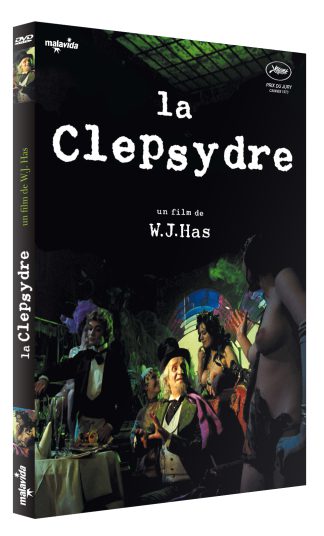
CHAMBRE COMMUNE, 3ème film de Has, est un film étrange et fascinant : a priori construit sur une trame très classique, Has incorpore des personnages en lisière de la société, en déséquilibre, qui se cognent les uns aux autres sans trouver la lumière. L’atmosphère est intemporelle, les dialogues parfois à la limite de l’absurde, les événements qui s’enchaînent sont drôles ou dramatiques, mais l’étrangeté ensorcelante de l’ensemble crée un ton décalé qui n’est pas sans annoncer les fascinants sauts spatio-temporels de LA CLEPSYDRE.


Wojciech J. Has est un des plus grands réalisateurs mondiaux. Il a su créer une œuvre profondément personnelle et originale, sans se cantonner à un genre précis. Virtuose dans son expression visuelle, techniquement d’une maîtrise absolue, il fit aussi preuve d’un profond humanisme. Cette intégrale permet la redécouverte dans une édition de qualité de toute son œuvre, une succession de véritables bijoux, permettant de retracer un cheminement artistique aboutissant aux chefs d’œuvre que sont LE MANUSCRIT TROUVE A SARAGOSSE, LA CLEPSYDRE ou LA POUPEE.
Détails

RéalisateurWojciech J. Has
Année1959
PaysPologne
Durée92 min
CastingMieczyslaw Gajda, Gustaw Holoubeck, Beata Tyszkiewicz

Fiche technique


Warning: Array to string conversion in /home/clients/c0e5814f7e68d40bd2a8beecda6cdb19/sites/malavida.etiennedelcambre.com/wp-content/themes/malavida-storefront/functions.php on line 222
StandardPAL
Format1.66
ZoneZone 2
ImageN&B
SonArray

English description

English title : ONE ROOM TENANTS Original Title : WSPOLNY POKOJ Directed by : Wojciech J. Has With : Mieczyslaw Gajda, Gustaw Holoubeck, Beata Tyszkiewicz Poland, 1959, PAL, 1.66 - 92 mn zone 2, black and white, mono Original Polish version, with French subtitles The talent of one of Poland's better directors, Wojciech Has shows through in this simple, slice-of-life, literary drama set in Warsaw in the late 1930s. The focus of attention is a rundown boarding house and its residents - students, poets, and others living in what is euphemistically termed "genteel poverty." Everyone seems to be adrift, looking for something meaningful to anchor their lives on, a sorry state that leads to a general hopelessness and chronic ennui. A young communist seems to hold out some inspiration for awhile, but then he is arrested as the growing Nazi menace looms closer on the horizon. Director Wojciech Has was particularly interested at this time in following a character through his or her life. Polish filmmaker Wojciech Has has always stayed away from becoming too associated with any particular cinematic school of thought and has still managed to become one of his country's best directors. Born and raised in Cracow, Has completed studies at the Cracow Film Institute and at School of Fine Arts. In 1948, he began directing short films and over the next ten years became known for his short and mid-length fictional features, and documentaries. In 1958, Has made his feature-length debut with the successful and acclaimed THE NOOSE. Subsequent films have become known for their nostalgia, and they frequently chronicle the life journeys of specific characters. His first films were evocative and small in scope giving viewers a sense of intimacy. In the mid-'60s Has began expanding his films and focusing on historical epics that include THE SARAGOSSA MANUSCRIPT (1964) one of his best known films in the West. Has was appointed director of the Leon Schiller Lodz Film School in 1981.